











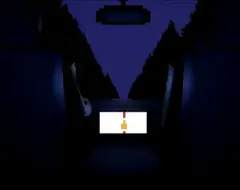




How to Play Simon’s Hallway
The main rule is that an instruction only counts when it begins with “Simon says.” If Simon gives an order without using this phrase, the player should ignore it. Following the wrong command can interrupt the attempt to complete the hallway. Movement is controlled with WASD, while the mouse is used to look around. Although the controls are simple, players must pay attention to what Simon says before pressing any movement keys.
Gameplay and Main Challenges
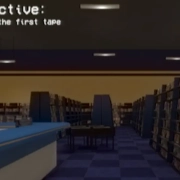
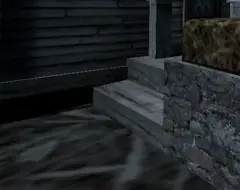
Simon’s Hallway takes place in a 3D environment viewed from the character’s perspective. The objective remains the same throughout the experience: move forward while responding correctly to Simon’s instructions. There is no traditional storyline involving multiple characters, and the game does not feature a collection of separate levels. Instead, the hallway serves as a continuous challenge where progress depends on following the rules.
The main gameplay elements include:
- Listening to Simon’s instructions before moving.
- Following commands that begin with “Simon says.”
- Ignoring instructions without the required phrase.
- Controlling movement with WASD and looking around with the mouse.
- Reaching the end of the hallway without making mistakes.
Every command requires the player to make a decision. Moving immediately after hearing an instruction is not always the correct response, so concentration is more important than speed. The game uses this simple mechanic to create uncertainty about what the player should do next. As a result, even standing still can become an important action when Simon attempts to trick the player.
Tips for Completing the Game
The best approach is to listen to each instruction completely before responding. Players should avoid pressing movement keys automatically and remember that Simon can give commands that sound legitimate but do not follow the main rule. Since the game is relatively short, unsuccessful attempts provide an opportunity to become familiar with its mechanics. Simon’s Hallway is primarily a test of attention, where understanding when to move is just as important as knowing when to stop.
